Shipped Meta Quest Products
Interaction Designer
Client: Meta
Platform: Meta Quest 2 & 3
Years: 2022–2023
Team Size: 20+ (hybrid)
Tools: Unreal Engine 4 & 5
Overview
Two VR products I designed and shipped for Meta at Schell Games. In each one, I worked inside an existing product: on Lost Recipes I made complex steps easy to follow and usable with one hand, and on Silent Slayer I added new content using only systems that already existed.
What carried over: On both products, I designed within real constraints: an audience new to VR, one-handed use, and no new engineering features. Usability testing shaped each decision.
Lost Recipes
A casual VR cooking experience about historical recipes.
2022 | Unreal Engine 4 | Quest Store Page | 4.3★(583)
Challenge: Cooking has many steps, and casual VR users needed to follow each one without getting lost.
Result: Shipped on Meta Quest and Quest 2, and usable end to end with one hand.


My Role
- One-handed interaction: designed the cooking steps so the entire experience can be used with one hand.
- Step design to build: broke each recipe into simple, easy-to-follow actions in a design document, then designed and implemented nine guided cooking experiences in Unreal Engine 4.
- Research and usability testing: ran in-depth research and regular usability tests to refine the flow and the placement of tools and cooking steps.
- Instructions and feedback: refined the wording and layout of on-screen instructions through prototyping and testing, and organized voice-over feedback triggered by user actions at each step.


Silent Slayer: Vault of the Vampire
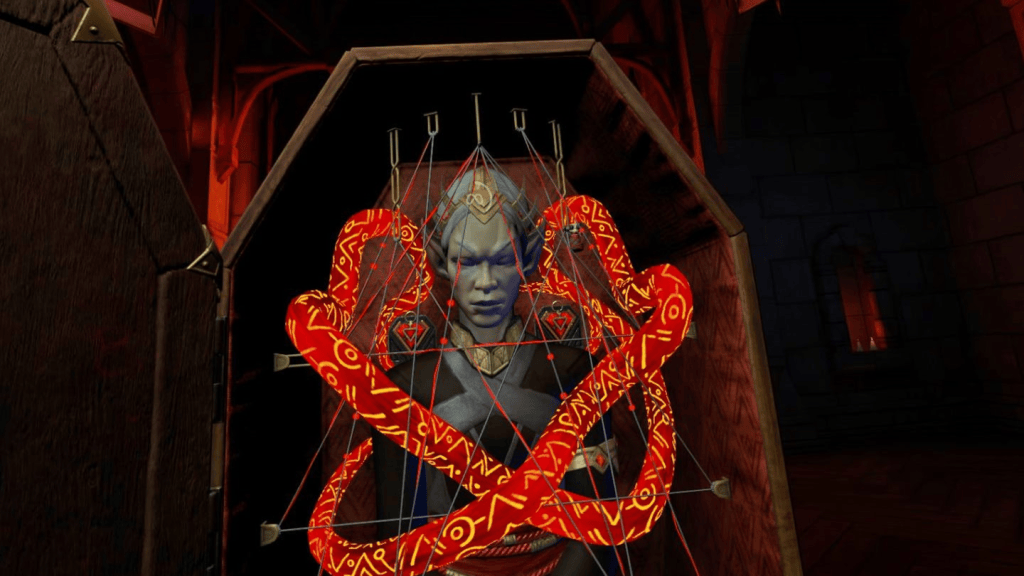
An atmospheric VR stealth experience: users disarm traps protecting sleeping vampires.
2023 | Unreal Engine 5 | Quest Store Page | 4.3★(202)
Challenge: Add new content that stays consistent with the rest of the experience, without asking engineering for new features.
Result: Shipped on Meta Quest 2 & 3. Both environments shipped with no new engineering work.

My Role
- Content map: co-created the master content map with the Design Director, so the difficulty curve stayed consistent and engaging from start to finish.
- Two new environments on existing systems: designed and built two environments using only existing systems, with no new features required.
- Environmental storytelling: combined existing art assets to add depth and narrative context.
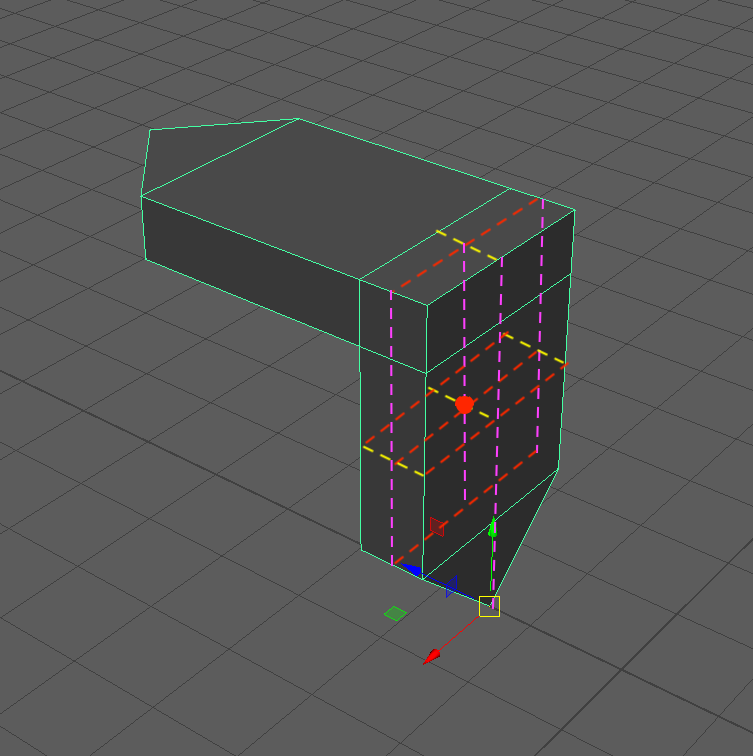
- Communicating with art: greyboxed the actual content in Unreal as a prototype, so the art team had exact measurements, then drew paintovers on screenshots of it to show exactly which assets to make.

Content map: The master map that kept difficulty and pacing consistent across every environment.